Cute Dabbing Camel Illustrations for Digital Products
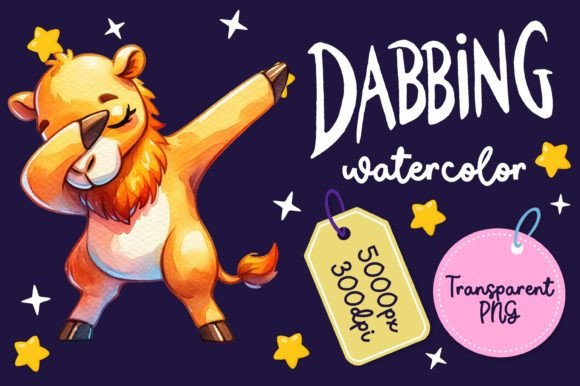
When evaluating a new graphic design asset for my online shop, I always look beyond the initial "cute factor" to assess true commercial viability. My first impression of the Cute Dabbing Camel Watercolor was that it strikes a specific balance between whimsical and trendy. The mood is undeniably playful, tapping into the enduring internet meme culture while softening it with a gentle, hand-painted aesthetic. This isn't an edgy or sarcastic design; it feels approachable, feminine, and lighthearted. For sellers targeting Gen Z, younger millennials, or parents shopping for nursery decor, this visual personality is a strong hook. It avoids looking overly corporate or stiff, which is essential for handmade business branding and creative marketplace listings where authenticity drives sales.
Testing Commercial Viability Across Product Types
Before listing any digital product, I run a series of practical tests to see how the asset performs across different mediums. With Cute Dabbing Camel Watercolor, the versatility depends heavily on file quality and composition. As a sublimation design, the watercolor texture translates beautifully onto white ceramic mugs and polyester tumbler wraps. The soft edges of the illustration blend well with fabric textures, making it ideal for t-shirt design and tote bag prints. However, because watercolor relies on subtle color gradients, I had to verify that the colors remain vibrant after the heat press process. In my test run, the pastel tones held up well, but I would recommend increasing saturation slightly for darker fabrics to ensure the dabbing camel remains the focal point.
For Cricut project creators and sticker design enthusiasts, the evaluation requires more scrutiny. Watercolor illustrations often have semi-transparent edges that can be tricky for automatic cut settings. When testing this as an SVG design, I checked if the included cut lines were clean or if they followed the jagged edge of the brush strokes. If you plan to sell this as a printable sticker sheet or use it in planner stickers, ensure the PNG design has a solid white offset border added. Without this buffer, the delicate watercolor details might get lost during cutting or printing. This asset works best as a layered element in scrapbooking kits or digital paper packs rather than a standalone intricate cut file.
Strategic Merchandising and Bundle Creation
One of the most profitable ways to leverage this illustration is through strategic bundling. A single Cute Dabbing Camel Watercolor image is a nice clipart piece, but it becomes a high-value design bundle when paired with complementary assets. I envision this working exceptionally well in a "Desert Nursery" or "Safari Party" collection. By combining the camel with matching cacti, sun elements, and neutral background textures, you create a cohesive brand identity for buyers who want a complete look. This approach increases the perceived value and justifies a higher price point on Etsy or Creative Fabrica.
For Canva template sellers, this asset serves as an excellent decorative anchor. I tested placing the camel in social media graphics and invitation templates. Its positioning—dabbing to the side—leaves ample negative space for text, which is crucial for visual hierarchy. It works particularly well for birthday invitations, baby shower announcements, and humorous greeting cards. When using it in templates, ensure you lock the layer so customers don't accidentally distort the proportions. The key here is to market it not just as a picture of a camel, but as a solution for customers needing quick, trendy, and adorable party stationery.
Optimizing Listing Images and Mockup Previews
Your product mockup is your primary sales tool, and Cute Dabbing Camel Watercolor needs to be presented correctly to convert browsers into buyers. Watercolor can sometimes look washed out on screen if the contrast isn't adjusted. When creating listing images, I place the illustration on both pure white and warm cream backgrounds to show versatility. Avoid dark backgrounds unless the file includes a white underbase, as the transparency can make the design disappear in thumbnails. For print-on-demand previews, use realistic lifestyle mockups rather than flat digital renders. Seeing the dabbing camel on a real child’s t-shirt or a framed wall art piece helps customers visualize the final physical product, significantly boosting click-through potential.
Thumbnail appeal is another critical factor. Because the dabbing pose is dynamic, crop your main listing image to focus tightly on the character. Tiny details get lost in search results grids. Ensure the camel occupies at least 60% of the thumbnail frame. If selling a bundle, create a collage that clearly displays the variety of included files without cluttering the visual field. Clear, bright, and focused presentation builds customer trust and signals professional quality.
Technical Considerations and Seller Best Practices
While this asset has strong commercial potential, there are specific areas where caution is necessary. Do not use Cute Dabbing Camel Watercolor for products requiring extremely fine detail at small scales, such as enamel pins or embroidered patches. The watercolor bleed effect does not translate to these manufacturing processes. Similarly, avoid using it in text-heavy layouts where the busy texture competes with readability. Always prioritize clean visual storytelling over cramming too many elements into one design.
From a technical workflow perspective, organization is paramount for positive reviews. When packaging this digital download, separate files into clearly labeled folders: "SVG for Cutting," "High-Res PNG for Sublimation," and "Clipart for Design." Verify that all PNG designs have true transparent backgrounds; a white box around a watercolor illustration is a common complaint in feedback. Test print the files at actual size before publishing to check for pixelation or banding in the gradients. Finally, always double-check the commercial license terms. Confirm whether you can use the asset in end products for sale, if attribution is required, and if there are limits on the number of units. Respecting intellectual property protects your shop from legal issues and maintains your reputation as a professional seller.
Font Pairing and Styling Recommendations
To maximize the sellability of Cute Dabbing Camel Watercolor, typography choices must complement the illustration's vibe. For a modern nursery look, pair it with a bold, rounded sans serif font in charcoal or sage green. This grounds the whimsy and adds a premium feel. For party invitations or greeting cards, a bouncy handwritten script font enhances the playful energy without looking childish. Avoid overly ornate or sharp serif fonts, as they can clash with the soft, organic nature of the watercolor style. Testing these combinations in your product previews helps buyers see the full potential of the asset, reducing friction in their purchasing decision.
Ultimately, Cute Dabbing Camel Watercolor is a viable addition to a diverse digital product catalog, provided it is applied with intention. It excels in apparel, party stationery, and nursery decor niches but requires careful handling in cutting projects and small-scale applications. By focusing on high-quality mockups, strategic bundling, and technical accuracy, you can transform this charming illustration into a consistent revenue stream for your creative business. Remember that success in the creative marketplace comes from understanding not just what the asset is, but exactly how your customer will use it to solve their own creative problems.