Cute Watercolor Animals Clipart for Embroidery
As a designer who spends more time behind an embroidery hoop than a computer screen, I approach digital assets with a healthy dose of skepticism. When evaluating Cute Watercolor Animals Clipart for potential use in machine embroidery projects, my first question is never about how pretty the illustration looks on a monitor. Instead, I ask whether those soft washes of color and delicate lines can actually survive the translation into thread. Watercolor aesthetics are inherently fluid and transparent, while embroidery is structural and opaque. Bridging that gap requires a critical eye. After reviewing this collection from both a creative and technical standpoint, I see significant potential for specific applications, provided you understand where these illustrations shine and where they require careful handling.
Translating Soft Aesthetics to Stitch
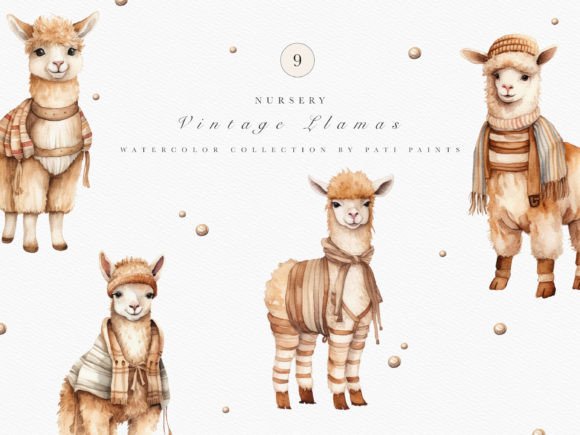
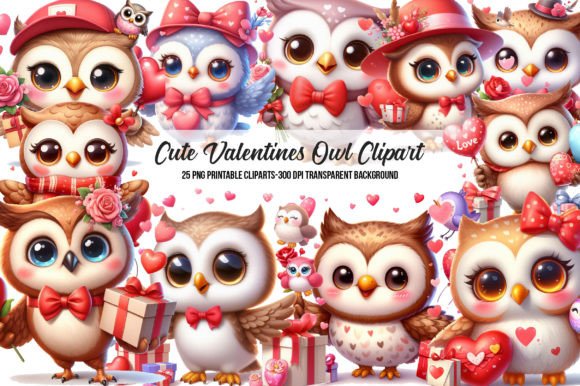
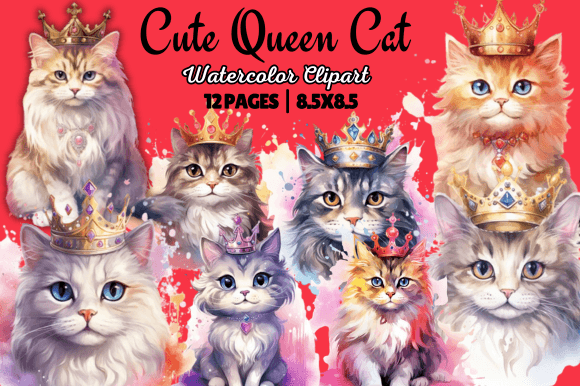
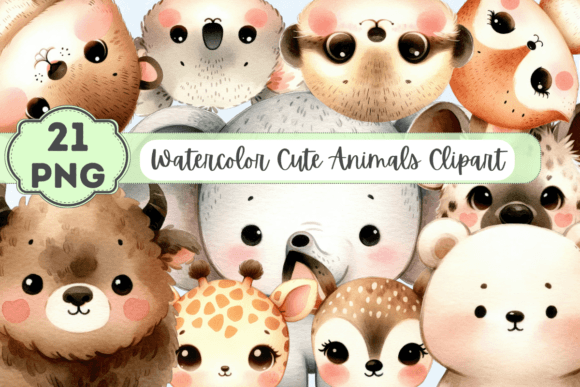
The immediate appeal of these Illustrations lies in their gentle, organic mood. They evoke nostalgia and warmth, making them ideal candidates for baby embroidery, nursery decor, and personalized gifts. However, as an experienced reviewer, I look past the initial charm to assess stitchability. Watercolor clipart often lacks the hard edges that digitizing software prefers. For a successful embroidery project, you must determine if the design relies on satin stitch borders to define shapes or if it uses complex fill stitches to mimic paint bleeds.
In my assessment, these designs work best when treated as artistic interpretations rather than exact replicas. If you are creating a custom apparel piece or a tote bag design, expect to use blending techniques in your digitizing software. The visual personality of Cute Watercolor Animals Clipart suggests a lighter touch; heavy, dense stitching will destroy the watercolor illusion. I recommend utilizing running stitch details for outlines and lighter density fill stitches for shading. This preserves the fabric texture and prevents the "bulletproof vest" effect that ruins the drape of sweatshirts and baby clothes.
Real-World Application: The Custom Sweatshirt Test
To truly evaluate this asset, I mentally applied it to a current client request: a boutique-style crewneck sweatshirt featuring a woodland animal motif. This is a common scenario for Etsy sellers and small shop owners. Sweatshirt fleece is textured and stretchy, which presents challenges for detailed illustrations. In this real-life case, Cute Watercolor Animals Clipart serves as an excellent focal point, but placement is everything.
For this handmade product, I would avoid placing the design directly over thick seams or ribbing. The center chest or upper left chest placement allows the design to sit flat. Because watercolor art relies on subtle color shifts, thread colors become paramount. You cannot rely on standard solid threads alone. Achieving the watercolor look on a sweatshirt requires variegated threads or strategic color blending within the embroidery file. If the clipart features very faint pastel edges, they may disappear entirely against heather grey or dark fabrics. In my professional judgment, these illustrations perform best on light, solid-colored bases like cream, white, or pale pink cotton blends where the thread contrast remains visible.
Navigating Fabric Limitations and Stabilizer Choices
Not every canvas is suitable for watercolor-style embroidery. While these designs are versatile, they demand respect for fabric physics. I advise extreme caution when using Cute Watercolor Animals Clipart on highly textured fabrics like terry cloth towels or burlap. The intricate details typical of watercolor art will get lost in the pile, resulting in a muddy, unrecognizable finished product. Similarly, stretchy knits require robust stabilization. A cut-away stabilizer is non-negotiable here to prevent distortion during stitching, but you must also consider the hand-feel. Excessive stabilizer combined with dense fill stitches meant to replicate paint can make a baby onesie unwearable.
For items requiring frequent washing, such as kitchen towels or children's bibs, verify that the design does not contain excessively long float stitches. Watercolor effects sometimes utilize longer jumps to create gradient transitions. On a functional item, these floats are snag hazards. Always test the design on scrap fabric first. Check whether the stitch density compromises the garment's integrity. If the fabric puckers despite proper hooping and stabilizer, the design may be too dense for that specific material weight.
Commercial Viability for Makers and Sellers
For creative entrepreneurs and commercial embroidery businesses, time is money. Cute Watercolor Animals Clipart offers a distinct advantage in market differentiation. Generic cartoon animals saturate the market, but high-quality watercolor aesthetics signal professionalism and higher perceived value. When listing a personalized gift or holiday embroidery item on Etsy, this style photographs beautifully. The softness translates well in printable mockups and digital product previews, helping buyers visualize the final result before purchasing.
However, business owners must be diligent regarding licensing. Before incorporating these illustrations into merchandise for sale, confirm the commercial usage rights. Does the license cover physical embroidered products only, or does it extend to digital embroidery files? Never assume. Additionally, consider brand consistency. If your shop specializes in bold, collegiate-style lettering, introducing delicate watercolor animals might confuse your customer base unless positioned as a specific seasonal or niche collection. These designs are particularly strong for wedding gifts, bridal party robes, and spring/summer collections where the softer aesthetic aligns with buyer expectations.
Technical Pre-Flight Checklist for Embroiderers
Before you commit Cute Watercolor Animals Clipart to a final project, run through this practical evaluation list. This step separates hobbyist mistakes from professional results:
- Verify Hoop Size Compatibility: Ensure the design dimensions fit your machine’s maximum embroidery area without excessive resizing. Scaling watercolor art down often causes stitch overlap and loss of detail, while scaling up can expose gaps in fill patterns.
- Audit Stitch Density: Open the embroidery file in your editing software. Look for areas where multiple layers stack up to create color depth. Reduce density in overlapping zones to prevent needle breaks and fabric damage.
- Test Thread Contrast: View the design in black and white mode within your software. If the image turns into a grey blob, you lack sufficient contrast. Adjust thread colors to ensure distinct separation between elements.
- Check Small Details: Watercolor art often includes tiny splatters or fine brush strokes. Determine if these are rendered as individual stitches or merely background fills. Tiny isolated stitches may fail to register on fabric and should be removed or enlarged.
- Evaluate Background Removal: Most clipart comes with a white or transparent background. Ensure your digitizing process cleanly removes non-stitch areas. A jagged edge around a watercolor animal looks unprofessional on a finished patch or apron.
Making Informed Design Decisions
Ultimately, Cute Watercolor Animals Clipart represents a valuable asset for the modern embroiderer, but only when used with intention. It is not a universal solution for every substrate or product type. Its strength lies in its ability to elevate simple items into bespoke, artisanal pieces. Whether you are crafting a unique baby blanket, designing a signature tote bag for your craft business, or expanding your digital embroidery file catalog, success depends on respecting the medium.
Treat these illustrations as a starting point, not a finish line. Your expertise in stabilizer selection, thread choice, and fabric pairing is what transforms a digital file into a cherished handmade product. By applying critical judgment and testing rigorously, you ensure that the final embroidered piece honors both the original artwork and the quality standards your customers expect. When executed correctly, the fusion of watercolor softness and textile structure creates a timeless appeal that mass-produced goods simply cannot replicate.