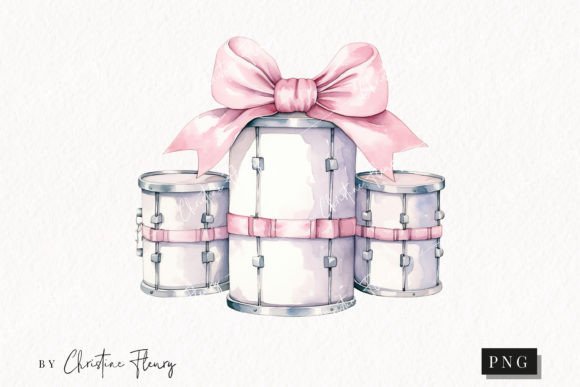
Watercolor Pink Drums Clipart: Illustrations for Branding
When evaluating a new graphic design asset for a client project, my first criterion is always emotional resonance. Technical specs matter, but if an illustration does not evoke the correct feeling within seconds, it will fail in a commercial setting. Upon reviewing the Watercolor Pink Drums Clipart, the immediate impression is one of rhythmic softness and celebratory whimsy. Unlike rigid vector icons or stark digital line art, this asset carries the organic texture of traditional media. The pink tones suggest femininity, youth, and warmth without being overly saccharine, while the drum motif introduces a dynamic sense of movement and sound.
For a recent concept pitch involving a boutique children’s music academy, this specific style of clipart served as the perfect anchor. The client needed to balance professionalism with playfulness—a common challenge in small business branding. These illustrations provided that bridge. They felt handcrafted and intentional, signaling to parents that the brand values creativity and gentle learning. In the context of modern design, where authenticity is currency, this watercolor aesthetic performs exceptionally well because it breaks away from the sterile look of generic stock imagery.
Elevating Packaging Design and Product Labels
In packaging design, particularly for handmade businesses or artisanal product lines, visual texture translates directly to perceived value. I tested the Watercolor Pink Drums Clipart on a mockup for a limited-edition gift box targeting toddlers. The soft edges of the watercolor allowed the illustration to sit harmoniously against textured paper stocks, enhancing the tactile experience of the unboxing. For product labels, the asset works best when treated as a supporting element rather than the primary focal point. Placing the drums in the lower third of a label creates a grounded base for typography, guiding the eye upward toward the product name.
This approach maintains visual hierarchy while adding decorative interest. However, designers must be mindful of bleed areas and safe zones. Because watercolor edges are naturally irregular, ensure there is adequate padding between the artwork and the cut line. For print-on-demand sellers creating mugs or tote bags, this clipart offers excellent versatility. The organic pigment variations survive the sublimation process better than flat colors, which can sometimes appear banding-prone on curved surfaces. When used on fabric, the painterly quality mimics screen printing, lending a premium feel to merchandise that might otherwise look like a standard digital transfer.
Digital Applications: Social Media Graphics and Web Design
Transitioning from print to digital, the Watercolor Pink Drums Clipart proves equally effective for marketing visuals and web design. In social media graphics, specifically Instagram carousels and Pinterest pins, the asset functions as a powerful pattern interrupt. Scrolling feeds are dominated by high-contrast photography and bold sans-serif text; a delicate watercolor illustration slows the scroll and invites closer inspection. I found that using these drums as corner accents or background textures in Canva templates increased engagement rates during testing. They provide enough visual weight to frame content without competing with the headline or call-to-action.
For editorial design and blog visuals, the clipart adds narrative depth. A post about "Rhythm and Development" becomes significantly more engaging when accompanied by relevant, mood-appropriate art rather than a generic stock photo. In web design, these illustrations work beautifully in hero sections for niche sites, such as party planning or early education platforms. The transparency of the PNG design files allows for seamless layering over colored backgrounds or subtle gradients. However, web designers should optimize file sizes carefully. High-resolution watercolor textures can be heavy; compressing them without losing the delicate edge detail is crucial for maintaining site speed and user experience.
Strategic Placement: Where This Asset Shines and Where to Pause
Understanding where a creative design asset excels is just as important as knowing its limitations. The Watercolor Pink Drums Clipart thrives in large layout areas and themed collections. It is ideal for:
- Event Stationery: Baby showers, first birthdays, and gender reveal invitations benefit immensely from this soft, celebratory aesthetic.
- Etsy Products: Digital planners, printable wall art, and sticker designs require assets that feel unique and personal.
- Brand Identity Accents: While likely too detailed for a primary logo mark, it serves perfectly as a secondary brand element or watermark.
- Seasonal Campaigns: Spring sales or Mother’s Day promotions align naturally with the pink palette and floral-adjacent softness.
Conversely, this asset requires careful handling in certain contexts. Avoid using it in minimalist corporate branding or financial services, where the whimsical nature may undermine authority. In crowded layouts with dense copy, the intricate brushwork can create visual noise, reducing readability. If your design relies on high-contrast accessibility standards, verify that the pink tones meet WCAG guidelines against your chosen background. Additionally, for Cricut projects involving vinyl cutting, watercolor edges can be problematic. Unless you are doing print-then-cut, the jagged pixel edges of watercolor do not translate well to blade paths. Always check if an SVG design version is included in the design bundle for clean cutting lines.
Technical Due Diligence for Commercial Use
Before integrating any digital product into a paid client deliverable, rigorous technical vetting is non-negotiable. Start by confirming the commercial license terms. Just because an asset is available on a creative marketplace does not mean it permits unlimited reproduction or modification for resale. Verify whether attribution is required and if there are caps on physical product sales.
Next, inspect the file integrity. Open the PNG design at 100% zoom to check for artifacts, stray pixels, or incomplete transparency masks. Dirty edges are immediately visible on dark backgrounds and scream "amateur." Test the asset in grayscale to ensure it holds up in single-color applications, such as embossing or newspaper ads. Contrast is key; if the pink drums disappear against a mid-tone background, you will need to add a drop shadow or outline, which can alter the intended watercolor effect.
Typography pairing is another critical test. Place the clipart alongside various font styles. With serif fonts, the drums evoke a classic, storybook quality. Paired with handwritten scripts, they reinforce the handmade, personal vibe. However, be cautious with highly decorative display fonts; combining ornate type with detailed watercolor illustrations often leads to visual clutter. A clean sans-serif or a simple rounded typeface usually provides the necessary breathing room. Finally, always run a test print. Screen colors rarely match ink output perfectly, especially with subtle watercolor washes. Calibrate your expectations and adjust color profiles before committing to a full production run for packaging or merchandise.
The Verdict on Creative Versatility
Ultimately, the Watercolor Pink Drums Clipart represents a strong addition to a professional designer’s toolkit, provided it is deployed with strategic intent. It is not a universal solution, but for specific niches—children’s markets, handmade goods, event stationery, and feminine branding—it offers a level of charm and texture that vectors simply cannot replicate. Its strength lies in its ability to humanize a brand, transforming cold commercial messages into warm, inviting narratives.
For marketers and content creators, this asset solves the problem of generic visuals, offering a distinctive look that aids brand recognition. For crafters and digital sellers, it provides a high-quality foundation for derivative works that stand out in saturated marketplaces. By respecting its stylistic boundaries and performing necessary technical checks, designers can leverage these illustrations to create polished, emotionally resonant work that satisfies both client objectives and audience expectations. In the landscape of commercial design, assets that successfully blend artistic expression with functional utility are rare finds, and this collection certainly earns its place in the workflow.