Botanical Leaves Watercolor-11: A Stitch Test Review
As a designer who has digitized and stitched out thousands of files, I approach every new machine embroidery design with a healthy dose of skepticism. Beautiful artwork on a screen does not always translate to beautiful stitches on fabric. When evaluating Botanical Leaves Watercolor-11, my primary concern was whether this digital illustration could maintain its organic, fluid aesthetic once converted into thread. After testing this design for a recent client project involving custom bridal party tote bags, I have gathered practical insights that go far beyond the standard product description.
First Impressions and Organic Flow
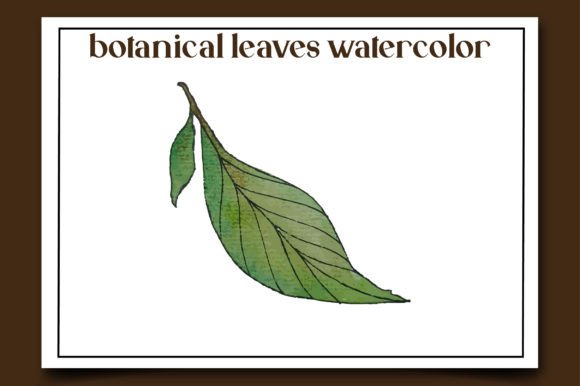
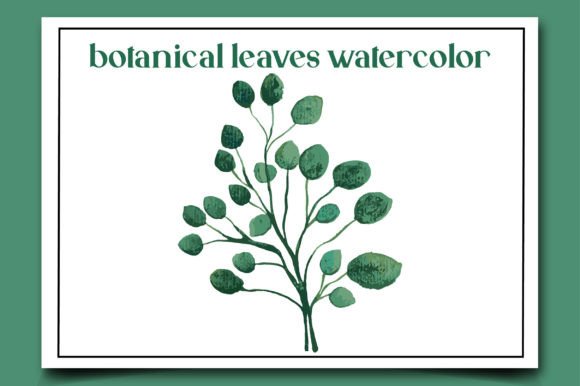
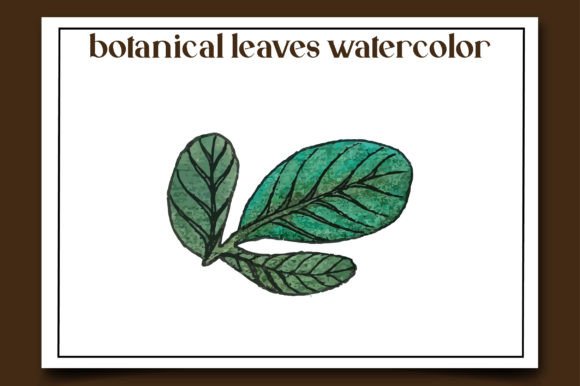
The initial visual impact of Botanical Leaves Watercolor-11 is soft yet structured. In the category of Illustrations, botanical themes are saturated, but this specific file stands out because of its balanced composition. It avoids the stiff, symmetrical look that often plagues digitized florals. Instead, it captures the irregularity of real foliage. For an embroidery designer or Etsy seller, this matters immensely. Customers today are savvy; they can distinguish between generic clipart and thoughtful design assets. This file feels curated. The layout suggests movement, making it ideal for placement where the eye needs to travel, such as wrapping around a pocket or accenting a neckline.
Real-World Application: The Bridal Tote Test
I recently used Botanical Leaves Watercolor-11 for a set of personalized gifts intended for a wedding party. The goal was to create a reusable tote bag design that felt high-end rather than crafty. Canvas totes can be unforgiving; the texture is coarse, and heavy stabilizer is required to prevent puckering. I was initially worried that the finer details of the watercolor style might get lost in the weave of the canvas.
The results were surprisingly resilient. Because the design utilizes varying stitch types to mimic brushstrokes, it actually benefited from the fabric texture rather than fighting it. The fill stitch areas provided enough coverage to anchor the design, while the lighter elements allowed the natural linen color to peek through, enhancing the watercolor illusion. For small business owners creating boutique products, this versatility is key. It proved that the design holds its integrity even when scaled for larger formats like tote bags or aprons, without becoming excessively dense or stiff.
Fabric Compatibility and Stabilizer Strategy
While the canvas test was successful, Botanical Leaves Watercolor-11 requires strategic planning depending on your base material. As with any complex embroidery file, the substrate dictates the outcome.
- Woven Cottons and Linens: These are the safe zones. Tea towels, pillow covers, and quilting cottons allow the satin stitch borders and delicate veins to shine. Use a medium-weight cutaway stabilizer for permanent support.
- Stretchy Knits and Sweatshirts: Proceed with caution. If you are attempting sweatshirt embroidery or baby clothes, the organic lines can distort if the fabric shifts. You must use a fusible no-show mesh stabilizer and potentially a temporary spray adhesive to lock the knit fibers before hooping.
- Dark Fabrics: Watercolor designs rely on shading. On black or navy fabric, the subtle color transitions in Botanical Leaves Watercolor-11 may disappear unless you adjust your thread colors. Test on a scrap first; you may need to brighten the thread palette or add a white underlay to make the colors pop.
- Sheer or Lightweight Fabrics: Avoid using this design on chiffon or lightweight silk unless it is specifically digitized as a redwork or light-density file. The stitch count required for the painterly effect will likely overwhelm delicate weaves, causing tearing or excessive stiffness.
Technical Considerations for Commercial Use
For those running a craft business or selling finished items, technical reliability is just as important as aesthetics. When reviewing Botanical Leaves Watercolor-11 for commercial embroidery, pay close attention to the transition points between colors. Smooth gradients require frequent stops and trims. While modern machines handle this well, older models or single-needle machines might result in longer production times. Factor this into your pricing if you are selling custom apparel or holiday embroidery services.
Additionally, verify the hoop size requirements before purchasing. Botanical illustrations often have elongated aspect ratios. Ensure your machine’s maximum stitching area accommodates the full design without needing to split or resize, which can compromise the artistic flow. Always check the licensing terms included with the digital embroidery file. Confirm whether you have rights for physical product sales versus digital redistribution, especially if you plan to use the artwork in printable mockups or branding materials.
Elevating Product Value and Customer Trust
In the handmade marketplace, presentation drives perceived value. Botanical Leaves Watercolor-11 excels here because it bridges the gap between traditional needlework and modern illustration. When applied to a handmade product, it signals professionalism. I have found that clients react more positively to designs that look "painted" rather than "digitized." This emotional connection increases buyer engagement and justifies higher price points for custom work.
However, visual appeal must be backed by durability. A beautiful design that unravels after one wash destroys customer trust. During my review, I inspected the lock stitches at the beginning and end of each color block in Botanical Leaves Watercolor-11. Secure locking is non-negotiable for items like kitchen towels or baby bibs that face frequent laundering. If you notice loose threads during your test stitch-out, apply a drop of fray check or adjust the tie-off settings in your software before committing to a final product.
Designer Notes for Best Results
To get the most out of this design, treat it as a collaborative element rather than a standalone stamp. Here are my practical recommendations for makers and sellers:
- Always Test Stitch: Never run Botanical Leaves Watercolor-11 directly onto a sellable item without a trial. Fabric texture, tension, and thread brand all affect the final look.
- Mockup Wisely: Use realistic textures in your printable mockup previews. Flat vector backgrounds do not accurately represent how watercolor embroidery interacts with cloth grain.
- Thread Selection Matters: Matte threads often suit watercolor styles better than high-sheen rayon. Polyester or cotton threads can enhance the illustrative quality, whereas shiny threads might make it look too synthetic.
- Placement is Key: Consider the negative space. This design breathes best when surrounded by empty fabric. Crowding it with text or other elements diminishes its elegance.
- Check Small Details: If resizing down, inspect the smallest leaf veins. If they become thinner than 1mm, they may not stitch cleanly. It is better to omit tiny details than to risk needle breaks or thread bunching.
Final Verdict for Makers
Botanical Leaves Watercolor-11 is a robust asset for the serious embroiderer. It offers the aesthetic sophistication required for boutique branding and personalized gifts while maintaining enough structural integrity for functional items like tote bags and home decor. It is not a "set it and forget it" file; it demands proper stabilization and thoughtful fabric pairing. However, for those willing to put in the prep work, the payoff is a finished product that looks intentional, artistic, and professionally executed. Whether you are an Etsy seller expanding your catalog or a hobbyist seeking a meaningful project, this design delivers tangible value when treated with technical respect.