Watercolor Ballerinas Clipart Ballet: A Stitch Test
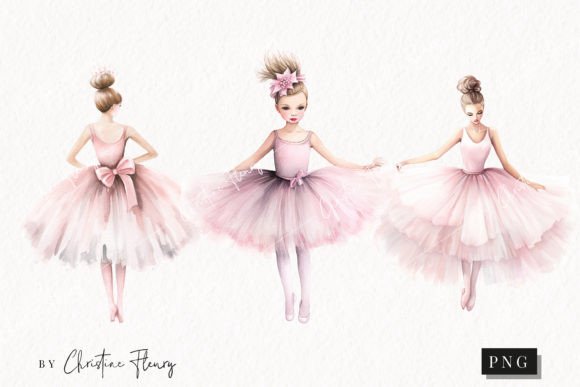
As an embroidery designer who has digitized and tested thousands of files, I approach every new asset with a healthy dose of skepticism. When I first opened the Watercolor Ballerinas Clipart Ballet collection, my immediate reaction was one of cautious optimism. The visual aesthetic is undeniably charming; the soft washes of color and fluid lines capture that elusive, dreamy quality that sells so well in the handmade market right now. However, as any experienced maker knows, what looks beautiful on a screen does not always translate seamlessly to needle and thread. My evaluation here focuses strictly on how these illustrations perform when converted into a tangible embroidery project, specifically for those of us running a craft business or managing custom client orders.
First Impressions and Visual Translation
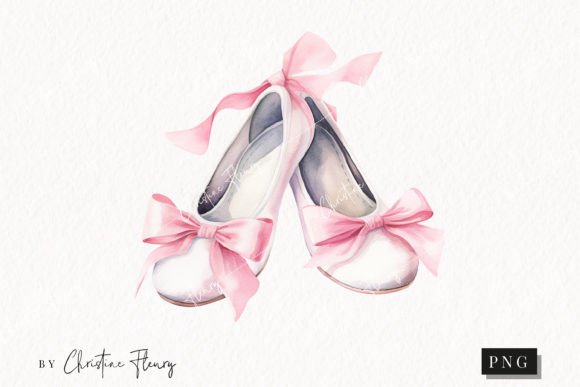
The mood of this collection is distinctly ethereal and nostalgic. Unlike rigid vector art, watercolor-style illustrations rely on blending and transparency. For an Etsy seller or boutique owner, this style signals "premium" and "handmade" rather than mass-produced. When evaluating this for real-world use, I look at the edge definition. Watercolor clipart often has soft, feathered edges. In embroidery, we cannot stitch a gradient fade without specific digitizing techniques like blending fills or specialized shading stitches. If you are using this as a base for a machine embroidery design, you must decide whether to embrace the jagged, artistic edge or clean it up with a satin border. For a baby embroidery project or nursery decor, the softer, raw edge often feels more appropriate and high-end, whereas a tote bag design might require cleaner outlines for durability and visual clarity from a distance.
Real-World Application: The Custom Sweatshirt Test
To truly judge the viability of Watercolor Ballerinas Clipart Ballet, I mentally walked through a recent client request: a personalized crewneck sweatshirt for a dance recital gift. This is a classic scenario for custom apparel. Sweatshirt fleece is textured and prone to shifting, which can be the enemy of detailed watercolor aesthetics. In this context, the ballerina design serves as a focal point, but the fabric texture competes with the delicate artwork.
For this specific sweatshirt embroidery application, I found that the design works best when treated as an applique design rather than a full-density fill. By stitching the ballerina onto a smooth cotton broadcloth or felt backing first, then appliqueing it onto the fleece, you preserve the integrity of the watercolor effect. If attempting to stitch directly onto the sweatshirt, the stitch density must be managed carefully. Too dense, and the fabric puckers; too sparse, and the fleece shows through, muddying the pastel tones. This collection shines brightest on stable, smooth substrates like quilting cotton for holiday embroidery ornaments or linen for tea towels, where the thread sheen can mimic the luminosity of watercolor paint.
Navigating Fabric Limitations and Hoop Constraints
While versatile, this artwork demands respect regarding placement and material choice. I would advise extreme caution when using Watercolor Ballerinas Clipart Ballet on dark fabrics. Watercolor aesthetics are inherently light-based; they rely on white space and translucency. Stitching these designs on navy or black requires either a heavy white underlay (which adds significant density) or accepting that the design will lose its signature glow. For commercial embroidery clients expecting vibrant contrast, this may not be the right asset unless modified significantly.
Furthermore, consider your hoop size and scaling limits. Watercolor details are often painted with fine brushes. When scaled down for small items like caps or baby bibs, those subtle brush strokes can become indistinguishable blobs of thread. Always check the minimum recommended size in your digital embroidery file metadata. If the details vanish below 4 inches, do not force it onto a cap front. Instead, reserve these designs for larger canvases like pillow covers, wall hangings, or the back of denim jackets. Curved surfaces are also tricky; the distortion inherent in hooping a cap or sleeve can warp the graceful proportions of a ballerina figure, making the anatomy look incorrect. Flat hooping is almost always superior for this specific artistic style.
Impact on Perceived Value and Brand Consistency
In the saturated market of personalized gifts and small shop products, cohesion is currency. Using Watercolor Ballerinas Clipart Ballet effectively can elevate your brand’s perceived value because it moves away from generic, cartoonish clipart toward something that resembles fine art. Customers associate this aesthetic with higher price points and thoughtful craftsmanship. However, this only holds true if the execution matches the source material. A poorly stabilized stitch-out that looks muddy or distorted will hurt buyer engagement faster than a simple design executed perfectly.
When creating printable mockups or listing photos, ensure your digital previews accurately represent the stitched reality. Do not simply paste the PNG clipart onto a shirt template and call it a day. Use actual stitch simulation software or, better yet, photograph a physical sample. Trust is built when the finished product matches the expectation set by the listing. For Etsy sellers, mentioning that the design is inspired by original watercolor art adds a narrative layer that justifies premium pricing, provided the embroidered patch or garment actually delivers that artistic promise.
Essential Designer Notes for Successful Execution
Before committing this collection to a paid order or inventory run, adhere to these practical protocols:
- Test on Scrap Fabric First: Never assume a digital embroidery file optimized for one fabric will work on another. Test the Watercolor Ballerinas Clipart Ballet design on the exact material you intend to sell. Check for registration issues between color blocks.
- Evaluate Thread Color Contrast: Watercolor relies on nuance. Standard solid embroidery threads may look flat compared to the digital art. Consider using variegated or matte threads to replicate the painterly texture. Compare light and dark fabric backgrounds to see which supports the design's opacity.
- Stabilizer Selection is Non-Negotiable: Because watercolor styles often involve complex fill patterns and varying densities, proper stabilization is critical. Use a cut-away stabilizer for stretchy knits to prevent distortion of the ballerina’s form. For woven fabrics, a tear-away may suffice, but test for residue that could ruin the soft aesthetic.
- Check Licensing for Commercial Use: Before selling any handmade product featuring this art, verify the license terms. Confirm whether you can sell finished physical items, digital files, or both. Protecting your business means respecting intellectual property.
- Inspect Small Details: Zoom in on the embroidery file to check for tiny jump stitches or isolated satin columns that might snag during washing. Watercolor art often has scattered splatters; in embroidery, these can become tedious trim points or durability risks on children's items.
- Mockup Reality Check: Create black and white mockups to assess value contrast without the distraction of color. If the design reads poorly in grayscale, it lacks sufficient definition for embroidery and needs digitizing adjustments.
Ultimately, Watercolor Ballerinas Clipart Ballet offers a beautiful foundation for makers willing to treat it as art rather than just a graphic. It requires a thoughtful approach to digitizing, fabric selection, and finishing. When executed with care, it transforms standard merchandise into cherished keepsakes, bridging the gap between digital illustration and tactile heirloom quality. Whether you are creating a personalized gift for a dancer or stocking your shop with unique design assets, let the medium guide your process. The goal is not just to reproduce an image, but to create a finished product that honors both the original artwork and the craft of embroidery itself.