Watercolor Ballet Flats Clipart for Embroidery
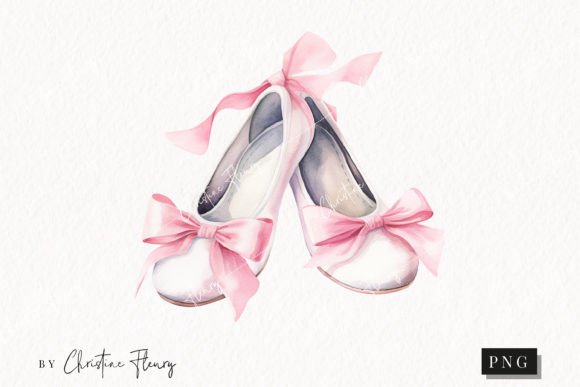
When I first opened the Watercolor Ballet Flats Clipart file, I wasn't just looking at a digital illustration; I was mentally translating paint strokes into thread paths. As an embroidery designer and product reviewer, my immediate reaction to any clipart is whether it can survive the transition from screen to fabric without losing its soul. This specific set of illustrations carries a delicate, romantic aesthetic that feels distinctly handmade. The soft edges and blended tones suggest a design that relies heavily on artistic interpretation rather than rigid outlines. For creative entrepreneurs and Etsy sellers, this mood is gold, but for machine embroiderers, it presents a unique set of technical challenges and opportunities.
Translating Soft Aesthetics to Stitch Logic
The visual personality of these ballet flats is undeniably feminine and vintage-inspired. However, watercolor art in embroidery requires a shift in digitizing strategy. Unlike bold logos or cartoon characters, you cannot simply trace these shapes with a thick satin stitch border. Doing so would destroy the ethereal quality that makes the Watercolor Ballet Flats Clipart appealing in the first place. Instead, this artwork demands a painterly approach to digitizing.
I envision this design performing best when treated as a complex fill stitch composition or a printed applique design. If you are digitizing this yourself or hiring a digitizer, ask for variable density fills that mimic brushwork. Running stitches should be used sparingly, perhaps only to suggest the ribbon ties or subtle shading, rather than defining the entire silhouette. The goal is to let the fabric texture breathe through the design. For small shop owners creating boutique branding, this softer approach signals high-end craftsmanship rather than mass-produced merchandise.
Real-World Application: The Custom Tote Bag Test
To truly evaluate this asset, I mentally placed it onto a natural canvas tote bag project intended for a bridal party gift. Tote bags are a staple for craft businesses because they offer a flat, stable surface ideal for detailed embroidery. In this scenario, the Watercolor Ballet Flats Clipart serves as the central motif, positioned slightly off-center for a modern editorial look.
On unbleached canvas, the pastel tones of the clipart would pop beautifully, provided the underlying stabilizer is adequate to prevent puckering. I considered how a customer might react to receiving this personalized gift. The watercolor style implies thoughtfulness and artistry, elevating the perceived value of the finished product far beyond a standard monogram. For Etsy sellers, listing photos featuring this design on textured linen or cotton canvas will likely drive higher engagement because the eye is drawn to the organic interplay between the digital art style and the physical fabric weave.
Navigating Fabric Limitations and Hoop Sizes
While the aesthetic is versatile, practical application requires caution. Not every garment is a suitable canvas for watercolor-style embroidery. I would advise against using this design on highly textured fabrics like terry cloth or ribbed knits unless you are doing a full-coverage applique. The intricate color blending inherent in watercolor illustrations gets lost in deep pile textures, resulting in a muddy appearance after stitching.
Stretchy fabrics also pose a risk. If you are planning sweatshirt embroidery or baby clothes, the tension required to maintain the shape of a ballet flat can distort lightweight knits. In these cases, use a heavy-weight cutaway stabilizer and consider floating the fabric rather than hooping it directly to avoid stretching. Furthermore, be mindful of hoop size constraints. Watercolor designs often rely on gradient transitions that require space to blend effectively. Shrinking this design down to fit a 4x4 hoop may compress the stitch density to the point where the needle perforates the fabric excessively. Always check the minimum recommended size before committing to a production run.
Color Contrast and Thread Selection Strategy
One of the most critical aspects of reviewing this clipart for commercial embroidery is assessing color contrast. Watercolor art typically features low-contrast internal shading. When converting this to thread colors, you must ensure there is enough distinction between adjacent areas, or the design will look flat.
- Test on Scrap Fabric First: Never run a new watercolor design on a final product without testing. Screen brightness lies; thread sheen tells the truth.
- Check Black and White Mockups: Convert your digital preview to grayscale. If the ballet flats disappear or look like a single blob, adjust your thread palette to increase tonal variation.
- Compare Light vs. Dark Backgrounds: These illustrations likely assume a white background. On dark apparel, you may need to add a white underlay base or choose a lighter thread palette to maintain visibility.
- Verify Thread Brand Compatibility: Color charts vary wildly between brands. What looks like a dusty rose on screen might stitch out as hot pink. Map your threads physically before digitizing.
Commercial Viability for Makers and Sellers
For those running a craft business or selling digital embroidery files, the versatility of Watercolor Ballet Flats Clipart extends beyond apparel. I see strong potential in nursery decor and holiday embroidery markets. A framed hoop art piece featuring these flats could serve as a timeless gift for a dancer or a newborn girl. The key here is presentation. Because the design mimics traditional painting, the finished product should be photographed in natural light to highlight the stitch texture.
However, professionalism dictates due diligence. Before listing any finished product or digital asset derived from this clipart, confirm the licensing terms. Does the license allow for commercial use on physical goods? Can you sell the digitized embroidery file itself, or only the end product? Misunderstanding these terms can jeopardize your shop. Additionally, if you are selling printable mockups to other designers, ensure the resolution is sufficient for print while protecting the original artist's intellectual property.
Preserving Detail in Washable Goods
If you intend to use this design on items requiring frequent washing, such as kitchen towels, aprons, or baby blankets, durability becomes paramount. Watercolor styles often utilize lighter stitch densities to achieve transparency. While beautiful, this can lead to fraying over time. To mitigate this, incorporate edge protection techniques even if they aren't visually obvious. A subtle running stitch boundary or a denser perimeter fill can anchor the design without ruining the artistic effect.
Also, consider the longevity of the thread colors. Polyester threads generally hold up better to bleach and high heat than rayon. If your target market includes busy parents or hospitality clients, prioritize wash-fastness over perfect color matching. Communicate care instructions clearly with every sale. A customer who ruins their embroidered tote bag in the first wash due to poor guidance will not return, regardless of how beautiful the initial Watercolor Ballet Flats Clipart looked.
Final Designer Verdict
The Watercolor Ballet Flats Clipart is a sophisticated asset for the discerning maker. It bridges the gap between digital illustration and textile art beautifully, provided you respect the technical requirements of the medium. It is not a "grab-and-go" design for beginners; it rewards patience, testing, and thoughtful digitizing. For established Etsy sellers and apparel decorators, it offers a fresh alternative to saturated market trends, allowing for personalized gifts and custom apparel that feel genuinely curated.
Success with this design lies in the details: proper stabilizer selection, intelligent thread mapping, and appropriate placement on compatible fabrics. Treat it as a collaboration between the original illustrator and your embroidery machine. When executed correctly, the result is a handmade product that resonates with customers seeking elegance and whimsy in equal measure. Just remember to verify all technical specifications and licensing before adding it to your commercial workflow.