Watercolor Dove Clipart: An Embroidery Designer’s Review
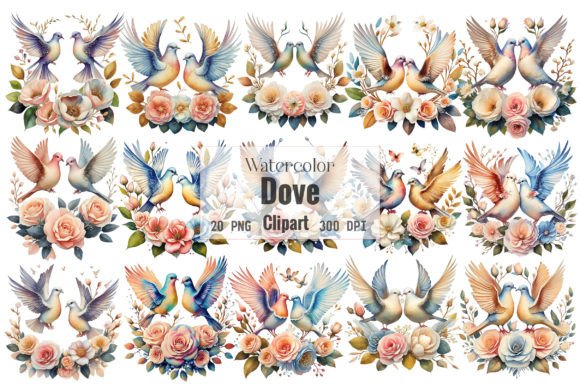
When I first opened the Watercolor Dove Clipart file, I wasn't just looking for a pretty bird; I was evaluating a potential bestseller for my upcoming spring collection. As an embroidery designer and small business owner, my relationship with digital illustrations is complicated. A graphic that looks stunning on a screen can sometimes translate into a dense, thread-eating nightmare on fabric. However, this particular piece of clipart immediately signaled promise. The soft gradients and organic lines typical of watercolor art suggest a gentleness that is highly sought after in the current market for personalized gifts and nursery decor. My initial assessment focused on whether this illustration could bridge the gap between digital artistry and tangible, stitch-based reality without losing its ethereal charm.
Translating Soft Edges to Stitch Density
The primary challenge with any watercolor-style machine embroidery design is capturing the fluidity of paint using rigid thread. Watercolors rely on bleeding edges and transparency, whereas embroidery relies on defined boundaries and layering. In reviewing this Watercolor Dove Clipart, I paid close attention to how the color transitions were mapped. For a successful embroidered patch or sweatshirt embroidery project, the digitizer must have utilized a blend of fill stitch and satin stitch to mimic those soft washes of color. If the design relies too heavily on solid blocks, it loses the "watercolor" identity. Conversely, if it uses excessive running stitch to create shading, it risks becoming unstable on stretchy fabrics.
I envision this design performing exceptionally well as a centerpiece for a custom apparel line, specifically on light-colored French terry sweatshirts or linen tote bags. The dove motif naturally evokes themes of peace, new beginnings, and gentleness, making it a prime candidate for baby embroidery projects or wedding merchandise. When I mock up this design for clients, the visual appeal lies in its delicate nature. It doesn't scream for attention like a bold logo; instead, it invites the viewer to look closer. This level of subtlety increases the perceived value of a handmade product, signaling to the buyer that care and artistic intention went into the creation process.
Real-World Application: The Custom Tote Bag Test
To truly evaluate this asset, I mentally walked through a recent client request for a boutique shop owner who needed branded tote bags for a spring market launch. She wanted something that felt artisanal rather than corporate. The Watercolor Dove Clipart fits this brief perfectly, but practical execution requires foresight. Tote bags are often made of canvas or cotton duck, which have a distinct fabric texture. A design with too much open space might get lost in the weave, while one that is too dense could cause the bag to pucker or become stiff.
For this specific embroidery project, I would recommend testing the design on a scrap of the exact canvas weight before committing to production. Because watercolor styles often involve complex color blending, checking thread colors against the actual fabric is non-negotiable. What looks like a soft grey-blue on a monitor might stitch out as a harsh navy on unbleached cotton. Furthermore, considering the end use, I had to assess washability. Market totes get dirty. If the Watercolor Dove Clipart utilizes long floating stitches to achieve detail, they might snag during washing. Ensuring the digitization includes adequate underlay and appropriate stitch length is vital for creating a durable commercial embroidery product that maintains customer trust over time.
Navigating Fabric Limitations and Hoop Sizes
While this illustration is versatile, it demands respect regarding placement and substrate. Not every fabric is a suitable canvas for watercolor aesthetics. I advise extreme caution when applying this design to highly textured surfaces like terry cloth or thick fleece. The intricate details meant to simulate brushstrokes can easily disappear into the pile of the fabric. Similarly, dark fabrics pose a significant hurdle. Watercolor designs typically assume a white or light background to provide luminosity. Stitching this onto black or navy garments would require a heavy white underlay base, which fundamentally changes the hand-feel of the garment and may result in a stiff, armor-like patch that detracts from the softness of the dove imagery.
Hoop size selection is another critical factor. There is a temptation to shrink beautiful illustrations down to fit smaller hoops or left-chest placements. However, reducing a watercolor design often destroys the gradient effects and turns delicate features into indistinguishable blobs. Before purchasing or downloading this digital embroidery file, verify the minimum recommended size. If you intend to use this for cap embroidery or small sleeve accents, ensure the specific version of the clipart has been optimized for those dimensions. Resizing complex artistic designs in your machine software usually leads to poor stitchouts. Always prioritize the integrity of the art over convenience.
Professional Notes for Makers and Sellers
For my fellow Etsy sellers and creative entrepreneurs, integrating Watercolor Dove Clipart into your catalog requires due diligence. Beyond the technical stitching aspects, consider the licensing and commercial viability. Does the license allow for the sale of finished physical products? Can you use the original digital file for printable mockups in your listings? Clarifying these terms protects your craft business from future issues. From a branding perspective, consistency is key. If you adopt this watercolor aesthetic, ensure your other design assets share a similar visual weight and color palette to build a cohesive shop identity.
Here are my essential practical notes for working with this design:
- Stabilizer Selection: Use a high-quality cut-away stabilizer for stretchy knits to prevent distortion of the delicate watercolor edges. For woven fabrics like tea towels or pillow covers, a medium-weight tear-away may suffice, but test first to ensure no residue remains in the open stitch areas.
- Thread Contrast Check: Print a black-and-white version of the design template to evaluate value contrast. If the dove disappears in grayscale, it will likely lack definition when stitched in tonal threads. You need distinct value separation for the watercolor effect to read visually.
- Mockup Strategy: Utilize the digital file to create realistic printable mockups for your online store. Customers need to see how the Watercolor Dove Clipart looks on a wrinkled linen shirt versus a smooth polyester blanket. Accurate representation reduces returns and builds buyer engagement.
- Detail Inspection: Zoom in on the embroidery file before stitching. Look for tiny jump stitches or isolated satin columns that might fray. If the design includes text integrated with the dove, ensure the lettering is large enough to remain legible after stitching.
- Commercial Viability: Confirm whether the source allows for modification. Sometimes, removing a background element or adjusting a colorway is necessary to make the design fit a specific personalized gift request. Knowing your rights to edit the design assets saves time and legal headaches.
Elevating Handmade Value Through Artistic Choice
Ultimately, choosing Watercolor Dove Clipart is a statement about the type of maker you are. It signals an appreciation for softness, artistry, and emotional resonance. In a marketplace saturated with bold, cartoonish, or overly simplistic vector art, a well-executed watercolor embroidery stands out. It appeals to customers looking for meaningful holiday embroidery, sentimental baby gifts, or sophisticated home decor. The success of the finished product hinges not just on the beauty of the original illustration, but on your technical judgment as the embroiderer. By respecting the limitations of thread and fabric, and by rigorously testing your approach, you transform a digital file into a cherished tangible object. Whether you are creating a single heirloom piece or stocking your shop for the busy season, let this design serve as a reminder that in embroidery, patience and precision are the true mediums of expression.