Watercolor Bunny Ballerina Clipart: An Embroidery Review
As a designer who bridges the gap between digital illustrations and tangible textiles, I approach every new asset with a specific question: will this actually stitch well? When evaluating Watercolor Bunny Ballerina Clipart, my assessment goes far beyond screen resolution or color palette. I am looking at line integrity, color separation potential, and how the whimsical nature of watercolor translates into the structured world of thread. For fellow embroidery designers, Etsy sellers, and makers, understanding this translation is the difference between a frustrating hoop disaster and a best-selling handmade product.
First Impressions: Whimsy Meets Technical Reality
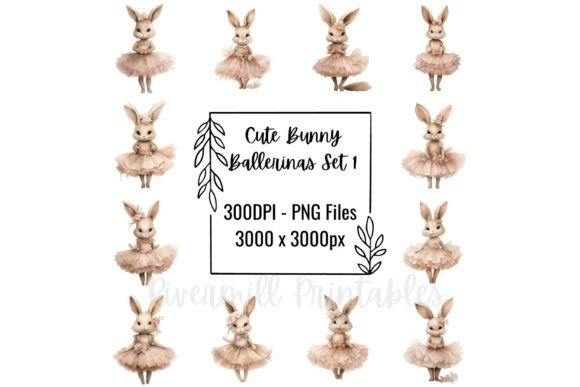
My initial reaction to this Watercolor Bunny Ballerina Clipart was positive regarding its emotional resonance. The design captures a softness that is highly desirable in the current market for nursery decor and personalized gifts. However, as an experienced digitizer, I immediately began mentally deconstructing the image. Watercolor effects are beautiful on paper but challenging in embroidery because they rely on blending, whereas machines rely on distinct thread changes.
The silhouette of the bunny ballerina is distinct, which is excellent news. A strong outline allows for a clean running stitch or satin stitch border, providing necessary definition when the internal fill stitches mimic the painted texture. If you are planning to use this as an applique design, the shape is forgiving enough for beginners while remaining detailed enough to look professional on custom apparel. The visual personality strikes a balance between vintage charm and modern boutique aesthetics, making it versatile for both baby embroidery projects and holiday embroidery collections.
Real-World Application: Stitching a Custom Sweatshirt
To truly test the viability of this illustration, I envisioned a real-life scenario: creating a premium embroidered sweatshirt for a small shop product launch. Sweatshirts are a staple for craft business owners, but the fleece texture can swallow fine details. I considered how the Watercolor Bunny Ballerina Clipart would perform on this specific fabric texture.
In this application, I determined that the design works best as a left-chest placement rather than a full-back print. The scale allows the bunny’s expression and tutu details to remain visible without requiring excessive stitch density. When converting this digital embroidery file for fleece, I would increase the underlay to prevent the fabric grain from distorting the delicate watercolor shading. The result is a cozy, high-value item that feels intentional rather than generic. Customers respond to this level of specificity; they trust that the embroidered patch or direct embroidery was chosen specifically for that garment, not just slapped onto whatever blank was available.
Navigating Fabric Challenges and Hoop Limitations
While the design is charming, practical judgment requires acknowledging where it might struggle. Not every project is suitable for this specific aesthetic. Here are critical considerations for your next embroidery project:
- Textured and Stretchy Fabrics: On ribbed knits or heavy canvas tote bag designs, the subtle gradients of the watercolor effect may get lost. You may need to simplify the color palette or increase contrast to maintain clarity.
- Small Hoop Sizes: If you are working with a 4x4 hoop size, verify that the tiny details of the ballet slippers and facial features do not merge. Test stitching is non-negotiable here to ensure safety and legibility.
- Dark Backgrounds: Watercolor implies lightness. Using this design on black or navy fabric requires a white underlay base to act as a canvas, otherwise, the pastel thread colors will disappear into the background.
- Frequent Washing: For items like kitchen towels or baby clothes, ensure the stitch density is balanced. Too dense, and the fabric puckers; too sparse, and the design frays after laundering.
Elevating Product Value and Brand Consistency
For commercial embroidery ventures and digital product sellers, consistency builds brand recognition. The Watercolor Bunny Ballerina Clipart offers a cohesive theme that can span multiple categories. Imagine offering a matching set: a baby bib, a nursery pillow cover, and a printable mockup for customers to visualize the finished product before purchasing. This cross-category utility increases the perceived value of your design assets.
Furthermore, using high-quality illustrations signals professionalism. When a buyer sees a crisp, well-digitized version of this bunny on a personalized gift, it reinforces their trust in your craftsmanship. It distinguishes your work from mass-produced alternatives. Whether you are selling the physical embroidered item or the digital embroidery file itself, the integrity of the original art directly influences buyer engagement and conversion rates.
Essential Designer Notes Before You Stitch
Before loading this design into your machine or listing it in your shop, run through this practical checklist. These steps save time, thread, and reputation:
- Verify Licensing: Always confirm whether the clipart license permits commercial embroidery or digital resale. Assumptions here can lead to legal issues for your craft business.
- Test on Scrap Fabric: Never stitch a final product without a test run. Check thread color contrast against your specific fabric batch, as dye lots vary.
- Analyze Stitch Density: Open the file in your software. Ensure there are no jump stitches across the face or tutu that could snag. Adjust pull compensation if the design looks distorted on stretchy material.
- Select Proper Stabilizer: Match your stabilizer to the fabric weight. Cut-away is usually safer for apparel to support the detailed fill stitches, while tear-away may suffice for stable woven fabrics.
- Mockup Validation: Create both light and dark background mockups. This helps you identify potential visibility issues before production and provides better marketing images for your Etsy listings.
Final Thoughts for Makers and Sellers
The Watercolor Bunny Ballerina Clipart is a delightful asset with significant potential for the right maker. Its success lies not in the digital file alone, but in your ability to interpret it for the physical medium. By respecting the technical constraints of machine embroidery design and leveraging the emotional appeal of the illustration, you can create products that resonate deeply with your audience.
Remember that every fabric behaves differently, and every customer has unique expectations. Use your expertise to bridge the gap between art and utility. Whether you are crafting a one-of-a-kind holiday gift or scaling a line of boutique merchandise, let practical testing guide your creative decisions. The most successful embroidery projects are those where the designer’s foresight is invisible to the customer, leaving only the magic of the finished product.