Watercolor Winter Flowers Clipart for Embroidery
As a designer who spends more time behind an embroidery hoop than a computer screen, I approach digital assets with a healthy dose of skepticism. When evaluating Watercolor Winter Flowers Clipart for potential use in machine embroidery projects, my first question is never about the aesthetic alone; it is always about translatability. Can this illustration actually survive the transition from pixel to stitch? After reviewing this collection through the lens of a working embroiderer and small business owner, I see significant promise for specific applications, provided you understand how watercolor aesthetics interact with thread and fabric.
First Impressions: Mood and Visual Personality
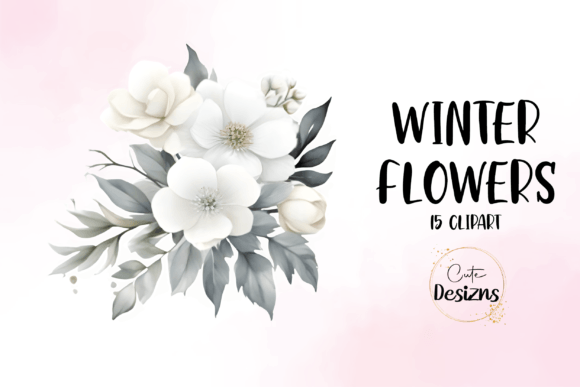
The immediate strength of these Illustrations lies in their softness. Unlike bold, graphic vector art that screams for high-contrast satin stitches, this clipart carries a gentle, organic mood. The color blending suggests a painterly quality that translates beautifully into complex fill stitches or shaded embroidery techniques. For a creative entrepreneur or Etsy seller, this visual personality signals "handmade" and "boutique" rather than mass-produced. It evokes nostalgia and warmth, making it inherently suitable for holiday embroidery, nursery decor, and personalized gifts where emotional resonance matters as much as technical precision.
However, the very detail that makes these designs beautiful also demands respect. The gradients and soft edges seen on screen cannot be replicated by a single thread color. As an experienced reviewer, I appreciate that these designs do not rely on harsh outlines to define shape. This lack of rigid borders is excellent for modern custom apparel but requires careful digitizing if you are converting the clipart yourself, or careful selection if purchasing a pre-digitized embroidery file based on this art.
Real-World Application: The Sweatshirt Test
To truly judge utility, I mentally placed this design onto a current best-seller in my shop: a heavyweight cream fleece sweatshirt. Watercolor winter florals are trending heavily in the handmade market right now, but execution is everything. On a textured fabric like fleece, the soft shading of these flowers can either look magical or muddy.
In this scenario, the Watercolor Winter Flowers Clipart performs best when treated as a focal point rather than a border. Imagine a left-chest placement on a crewneck sweatshirt. The organic shapes complement the casual drape of the garment without looking stiff. For a craft business, this specific application increases perceived value because the design feels integrated with the garment's cozy aesthetic. Conversely, using this same design on a structured cap or a tightly woven canvas tote bag design might result in lost details. The fluid nature of watercolor art needs space to breathe, making sweatshirt embroidery, pillow covers, and baby blankets superior canvases compared to rigid accessories.
Navigating Fabric Limitations and Stabilizer Choices
While versatile, this artwork requires strategic planning regarding fabric texture and stabilizer. If you are creating baby embroidery items or delicate tea towels, you must account for stitch density. Watercolor effects often require higher stitch counts to achieve color blending. On thin or stretchy fabrics, this density can cause puckering or distortion.
- Stretchy Fabrics: Always use a cut-away stabilizer when applying these designs to knits or jersey. The weight of the fill stitches needed to render watercolor shading will pull at lightweight t-shirts without proper support.
- Textured Surfaces: On terry cloth or fleece, consider using a water-soluble topping. This prevents the fabric pile from poking through the delicate shading stitches, preserving the integrity of the floral illustration.
- Dark Fabrics: Exercise caution here. Watercolor clipart typically relies on light-to-medium tonal values. Stitching these onto black or navy garments may require significant modification to maintain contrast, potentially altering the original artistic intent.
For commercial embroidery projects intended for frequent washing, such as kitchen towels or children’s clothing, ensure the digitization includes adequate underlay. Without it, the beautiful shading may shift after the first laundry cycle, degrading the professional finish your customers expect.
Commercial Viability for Makers and Sellers
For Etsy sellers and small shop owners, product differentiation is survival. Generic snowflake vectors are saturated. Watercolor Winter Flowers Clipart offers a distinct alternative that appeals to buyers seeking sophisticated, cottage-core, or vintage-inspired aesthetics. This style photographs exceptionally well for printable mockups and social media, driving buyer engagement before they even see the physical product.
From a business perspective, this art style supports premium pricing. A finished product featuring intricate, shaded floral embroidery justifies a higher price point than simple running stitch line art. However, you must verify licensing. Before listing any handmade product or digital embroidery file derived from these assets, confirm whether the license permits commercial use of finished goods versus digital redistribution. Protecting your business means respecting intellectual property while leveraging design assets legally.
Designer Notes: Technical Precautions Before Stitching
Before committing this design to a final embroidered patch or boutique product, run through this practical checklist. Experience has taught me that skipping these steps leads to wasted materials and frustrated clients.
- Test on Scrap Fabric First: Never stitch a new design directly onto a customer’s garment. Use a scrap of the exact fabric and stabilizer combination you plan to use. Check how the shading renders in real thread versus the screen preview.
- Evaluate Thread Color Contrast: Watercolor relies on subtle shifts. Ensure your machine embroidery design uses enough distinct thread colors to capture the gradient. If the digitizer used only three shades of pink for a complex petal, the result will look flat. You may need to add color stops.
- Inspect Small Details: Zoom in on the embroidery file. Are there tiny satin stitch columns less than 1mm wide? These often break needles or fray. In watercolor art, fine stems or stamens should ideally be running stitches or tapered fills, not microscopic satins.
- Check Hoop Size Compatibility: Watercolor designs can be dense. Ensure your hoop size accommodates the design without requiring excessive re-hooping, which introduces alignment risks in multi-color shading.
- Mockup in Black and White: View the design in grayscale. If the flower loses its definition without color, the stitch structure is weak. Good embroidery stands up structurally regardless of hue.
Final Verdict on Usability
Watercolor Winter Flowers Clipart represents a valuable asset for the thoughtful maker. It bridges the gap between digital artistry and tactile craft, offering a romantic, seasonal aesthetic that resonates with current market trends. Its success in your studio depends entirely on matching the design’s inherent softness with appropriate substrates and technical diligence.
Use it confidently for custom apparel, holiday gifts, and nursery items where emotion drives the sale. Approach it cautiously on dark fabrics, high-wear items, or extremely small scales. By treating this clipart not just as a pretty picture but as a blueprint for textile construction, you elevate your work from simple decoration to professional craftsmanship. Whether you are an apparel decorator expanding your winter catalog or a hobbyist stitching a personalized gift, let the medium guide your method. The result will be a finished product that honors both the original illustration and the art of embroidery itself.