Watercolor Pink Bow with Baubles: An Embroidery Review
As a professional embroidery designer and product reviewer, I approach every new digital asset with a critical eye. When evaluating the Watercolor Pink Bow with Baubles Clipart for potential use in machine embroidery projects, my first thought is always about translation. How does this soft, painted illustration convert into tangible thread? The initial impression of this design is undeniably charming. It evokes a sense of vintage nostalgia mixed with modern feminine aesthetics, making it an immediate contender for holiday embroidery, baby gifts, and boutique apparel. However, moving from a screen to fabric requires more than just liking the image; it demands a practical understanding of stitch density, fabric texture, and commercial viability.
Translating Painted Textures to Thread
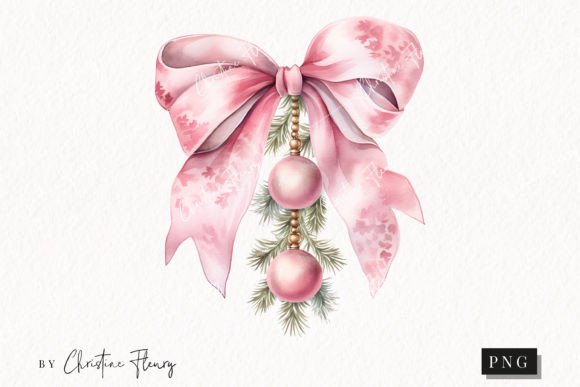
The defining characteristic of the Watercolor Pink Bow with Baubles Clipart is its organic, fluid appearance. In the realm of Illustrations, watercolor styles are notoriously tricky to digitize effectively because they rely on transparency and blending that thread cannot naturally replicate. When reviewing this specific artwork for embroidery, I look for how well the visual weight is balanced. A successful adaptation uses varying stitch types to mimic paint. For instance, the bow itself should likely utilize a combination of fill stitch and satin stitch borders to define the shape without looking like a solid block of plastic. The baubles need distinct separation from the background to ensure they read clearly when stitched out at smaller sizes.
For my current test case, I am preparing a custom embroidered sweatshirt for a client’s holiday capsule collection. This project requires a design that feels high-end and handmade rather than mass-produced. The Watercolor Pink Bow with Baubles Clipart fits this brief perfectly because of its delicate nature. On a fleece or French terry sweatshirt, the texture of the fabric adds warmth that complements the watercolor aesthetic. However, because sweatshirts have a pile, I must consider using a topping or water-soluble stabilizer to prevent the stitches from sinking into the fabric. If the design relies too heavily on tiny running stitch details to create the watercolor effect, those details might get lost in the nap of the sweatshirt. This is where pre-testing becomes non-negotiable.
Strategic Placement and Product Applications
Versatility is key for any Etsy seller or small shop product line. This clipart has strong potential across multiple categories, provided the application is thoughtful. Beyond apparel, I can see this working beautifully as a tote bag design. Tote bags offer a flat, stable canvas that allows for higher detail retention compared to stretchy knits. For a personalized gift market, such as baby blankets or nursery decor, the pink palette and festive elements strike the right balance between seasonal and timeless. It avoids being overly "Christmas-specific," allowing it to transition into general winter wear or Valentine’s merchandise depending on the thread colors chosen.
For creative entrepreneurs selling digital embroidery files or finished goods, this design serves as excellent branding material. It could function as a logo alternative for packaging stickers, thank-you cards, or even as an embroidered patch for brand tags. The visual personality is soft yet professional, which helps build customer trust. Buyers associate intricate, well-executed floral and bow motifs with quality craftsmanship. When used on tea towels or pillow covers, the design adds perceived value, justifying a higher price point than generic typography-only items.
Navigating Fabric Limitations and Hoop Constraints
While the Watercolor Pink Bow with Baubles Clipart is visually appealing, it comes with specific technical cautions. As an experienced maker, I advise against using complex watercolor-style designs on highly textured fabrics like terry cloth or chunky knits unless you simplify the digitization. The subtle shading effects require a smooth surface to be visible. Similarly, dark fabrics present a challenge. Watercolor art typically assumes a white background. Stitching this on black or navy fabric will require significant underlay or a light-colored base layer, which changes the hand-feel of the garment and increases stitch count dramatically. Always test on a scrap of your actual project fabric before committing to the final piece.
Hoop size is another critical factor. Detailed illustrations often suffer when scaled down below 4x4 inches. If you intend to use this for collar bones, cuffs, or baby onesies, verify that the smallest details remain legible. Tiny baubles or thin ribbon tails may turn into thread nests if reduced too aggressively. Conversely, scaling up for large back prints on jackets requires checking stitch density. A design optimized for a 5x7 hoop might become bulletproof and stiff if enlarged to 8x10 without adjusting the density settings. For commercial embroidery businesses, maintaining a soft drape is essential for customer satisfaction, especially on lightweight garments.
Designer Notes for Professional Results
To maximize the success of the Watercolor Pink Bow with Baubles Clipart in real-world production, follow these practical guidelines derived from hands-on testing:
- Validate Licensing: Before listing any finished product or digital embroidery file for sale, confirm the specific license terms. Ensure you have commercial rights for both physical goods and digital assets if applicable.
- Test Contrast: Print a black and white mockup of the design. If the bow and baubles blend together in grayscale, they will likely lack definition in thread. Adjust color values or add outline stitches if necessary.
- Stabilizer Selection: Match your stabilizer to the fabric weight. Use cutaway for stretchy apparel like sweatshirts to prevent distortion over time, and tear-away for stable woven fabrics like tote bags or linens.
- Thread Color Matching: Watercolor effects depend on precise color blending. Create a physical thread chart against the printed clipart before stitching. Digital screens are often brighter than rayon or polyester threads.
- Check Small Details: Inspect the design file for jumps and trims. Excessive jumps in a detailed illustration slow down production and increase finishing time. Optimize the stitch path if you are digitizing this yourself.
- Mockup Realism: When creating printable mockups for Etsy listings, use textures that match your target fabric. Showing a watercolor design on a silk texture when you actually stitch on cotton creates false expectations and returns.
Elevating Brand Value Through Thoughtful Design
Ultimately, the decision to use Watercolor Pink Bow with Baubles Clipart should be driven by how it enhances your specific brand identity. For handmade shop owners, consistency matters. This design pairs exceptionally well with serif fonts, minimalist layouts, and natural fiber materials. It signals to the buyer that you curate your design assets with intention. Whether you are creating a holiday gift set, updating your spring apparel line, or expanding your digital product catalog, this illustration offers a strong foundation.
Remember that a beautiful clipart is only as good as its execution. Take the time to run a sew-out on your intended substrate. Evaluate the stitch clarity, the fabric drape, and the overall emotional impact. Does it feel like a premium handmade product? Would you be proud to gift this to a client? By treating the Watercolor Pink Bow with Baubles Clipart as a component of a larger manufacturing process rather than just a pretty picture, you ensure that your final embroidery projects meet the high standards your customers expect. Practical judgment, combined with artistic appreciation, is what separates hobbyists from professional makers in the competitive world of custom embroidery.